Mental Breakdown Symptoms: Signs, Causes, and What to Do Next
Mental breakdown symptoms can feel frightening because they often touch every part of daily life: emotions, thinking, sleep, appetite, relationships, work, and the body. The phrase "mental breakdown" is not an official medical label, but many people use it to describe a period when stress or emotional distress becomes so intense that ordinary functioning feels hard to maintain. If you are trying to make sense of recent changes, a structured psychology self-assessment can support reflection, but it should not replace care from a qualified professional when symptoms are severe, lasting, or unsafe.

What a Mental Breakdown Usually Means
A mental breakdown, sometimes called a nervous breakdown, usually describes a state of overwhelm rather than one specific condition. It may happen after long-term stress, a sudden loss, a conflict, burnout, trauma, sleep deprivation, substance use, or an untreated mental health concern. The common thread is that coping capacity feels lower than the demands placed on the person.
This is why two people can describe very different experiences. One person may cry often and feel unable to stop racing thoughts. Another may feel numb, detached, irritable, exhausted, or physically unwell. Someone else may keep working on the outside while quietly struggling to eat, sleep, make decisions, or answer messages.
The goal is not to attach a permanent label to yourself. A safer goal is to notice patterns, reduce immediate pressure, and decide what kind of support fits the level of distress.
Emotional Mental Breakdown Symptoms
Emotional signs are often the first changes people notice. They can include persistent sadness, tearfulness, panic, dread, irritability, anger, numbness, guilt, shame, helplessness, or the sense that small problems now feel impossible. Some people describe sudden crying or emotional outbursts. Others describe the opposite: feeling blank, distant, or unable to care about things that normally matter.
Mood changes can also become more reactive. A small delay, email, text message, noise, or household task may trigger a larger response than usual. This does not mean the person is weak. It can mean the nervous system has been carrying too much load for too long.
If emotional symptoms include thoughts of self-harm, feeling unsafe, or feeling unable to stay alive, treat that as urgent. In the United States, call or text 988 for the Suicide & Crisis Lifeline, or call emergency services if there is immediate danger.
Physical Symptoms of a Mental Breakdown
Mental and physical stress often travel together. Physical symptoms of a mental breakdown may include extreme fatigue, headaches, muscle tension, stomach discomfort, appetite changes, nausea, shaking, sweating, chest tightness, a racing heart, sleep disruption, or feeling heavy and slowed down.
Sleep is especially important to watch. Some people cannot fall asleep because their thoughts keep looping. Others sleep much more than usual but still wake up exhausted. Either pattern can make concentration, emotion regulation, and problem-solving harder the next day.
Physical symptoms deserve care too. They can be stress-related, but they can also overlap with medical conditions. New chest pain, fainting, severe shortness of breath, sudden weakness, confusion, or other intense physical changes should be handled as a medical concern, not simply brushed off as stress.
Cognitive and Behavioral Warning Signs
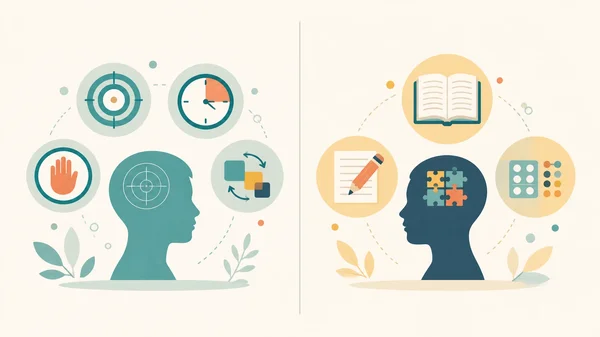
A breakdown often affects thinking and daily behavior. Cognitive signs can include trouble focusing, forgetfulness, indecision, racing thoughts, mental fog, or feeling unable to complete simple steps. A person may reread the same sentence, stare at a task, or avoid decisions because every option feels too hard.
Behavioral signs often show up in routine. You might miss work or school, stop replying to people, skip meals, neglect hygiene, avoid bills or appointments, withdraw socially, use alcohol or other substances to get through the day, or feel unable to begin basic tasks.
These changes matter because they show how much distress is affecting real life. If you notice several symptoms at once, it may help to write down when they began, what makes them worse, and what helps even slightly. A free mental health self-reflection tool can help organize patterns in feelings, body sensations, and daily functioning, especially when everything feels blurred.
Signs in Men, Women, Postpartum Parents, and Teens
Mental breakdown symptoms in women, men, postpartum parents, and teenagers can overlap, but they may be expressed differently depending on biology, culture, role expectations, and support systems.
Some women may search for "signs of a nervous breakdown in a woman" because the experience includes crying, anxiety, caregiving overload, relationship stress, sleep loss, or pressure to keep functioning for others. Some men may show distress through anger, withdrawal, risk-taking, overwork, substance use, or physical complaints before naming sadness or fear. These are broad patterns, not rules.
Postpartum mental breakdown symptoms require special care. Intense anxiety, sadness, intrusive thoughts, sleeplessness beyond baby care, inability to care for yourself or the baby, or thoughts of harm deserve prompt professional support. Postpartum distress is not a personal failure, and urgent help is appropriate when safety is uncertain.
Teenage mental breakdown symptoms may appear as school refusal, isolation, anger, sleep changes, appetite changes, panic, self-harm talk, or sudden drops in performance. Adults should take these changes seriously and involve appropriate health, school, or crisis support when risk is present.
Are There Really 5 Stages of a Mental Breakdown?
People often search for the 5 stages of a mental breakdown, but there is no single official five-stage model that applies to everyone. A practical way to think about stages is as a warning sequence:
- Pressure builds: stress increases, but the person keeps pushing through.
- Coping narrows: sleep, patience, focus, and emotional range begin to shrink.
- Functioning slips: tasks, relationships, work, school, or self-care become harder.
- Crisis point: the person feels unable to continue as usual or feels unsafe.
- Recovery and rebuilding: support, rest, treatment, boundaries, and routine repair begin.
This framework is useful only if it helps you respond sooner. It should not be used to rank distress or decide that someone is "not bad enough" for help. If distress is disrupting life, support is reasonable before it reaches a crisis point.
What to Do If Someone Is Having a Mental Breakdown
If someone near you seems overwhelmed, begin with calm, direct support. Use simple language: "I can see this is a lot. I am here with you. What would help for the next ten minutes?" Reduce noise, lower the number of decisions, and help with immediate basics such as water, food, a quiet space, transportation, or contacting a trusted person.
Do not argue about whether their feelings are logical. During intense distress, the first need is safety and steadiness. If they mention self-harm, suicide, violence, hallucinations, extreme confusion, or inability to stay safe, contact emergency or crisis support. In the United States, 988 can support people in emotional distress and people worried about someone else.
If the situation is not immediately dangerous, encourage professional support without pressure or shame. Offer to help find a therapist, call a primary care provider, sit with them while they message a trusted person, or write down symptoms before an appointment.

Mental Breakdown Treatment and Support Options
Because "mental breakdown" is a broad phrase, support depends on what is underneath the distress. Helpful options may include therapy, primary care evaluation, psychiatric care, medication when appropriate, sleep repair, reduced workload, crisis services, family support, workplace or school accommodations, and practical help with daily tasks.
Self-care is not a complete answer for severe symptoms, but it can still support the foundation. Eating something simple, drinking water, stepping away from stimulants, reducing alcohol, getting light exposure, taking a short walk, breathing slowly, and sleeping at regular times can make the next decision easier. These steps are not a substitute for care; they are stabilizers.
Online stories, including Reddit discussions about mental breakdown symptoms, can help people feel less alone. Still, personal stories cannot tell you what is happening in your own situation. Use them for language and companionship, not as your main decision tool.
When Symptoms Mean It Is Time to Seek Help
Reach out for professional help when symptoms last more than a short stressful moment, keep returning, affect work or school, disrupt sleep or eating, lead to isolation, involve substance misuse, or make daily responsibilities feel unmanageable. You do not need to wait until life falls apart.
Seek urgent help if there are thoughts of self-harm, suicide, harming someone else, feeling detached from reality, not sleeping for several nights, severe panic, confusion, or inability to care for basic needs. If there is immediate danger, call emergency services. If you are in the United States and need emotional crisis support, call or text 988.
For less urgent reflection, write a short symptom log: what changed, when it started, how often it happens, what stressors are present, what support exists, and what has helped before. Bring that list to a professional conversation if you choose to seek care.
Use Symptoms as Signals, Not a Personal Label
Mental breakdown symptoms are signals that your mind, body, and daily life may be under more strain than they can carry right now. They are not a character flaw, and they do not define your future. The most useful question is not "What label fits me?" but "What support would make the next step safer and more manageable?"
If you are trying to organize what you are experiencing, a broader psychology test for self-understanding can be one calm starting point for reflection. Pair any online insight with real-world support, especially when symptoms are intense, persistent, or connected to safety concerns.

FAQ
What are the most common mental breakdown symptoms?
Common symptoms include overwhelming anxiety, sadness, crying, irritability, numbness, fatigue, sleep changes, appetite changes, headaches, stomach discomfort, racing thoughts, trouble concentrating, withdrawal, and difficulty keeping up with daily responsibilities.
What are the warning signs of a nervous breakdown?
Warning signs include feeling unable to cope, losing interest in normal activities, avoiding people, missing work or school, neglecting self-care, panic, emotional outbursts, severe fatigue, and feeling hopeless or helpless.
How long can a nervous breakdown last?
It varies. Some people feel acute distress for hours or days after a major stressor, while others struggle for weeks or longer. Duration depends on stress level, health history, sleep, support, and whether the person receives appropriate help.
How do you deal with a mental breakdown?
Start with safety, reduce immediate demands, contact someone trustworthy, meet basic needs, and seek professional help if symptoms are severe or persistent. If self-harm or immediate danger is present, use crisis or emergency support right away.
Is crying a sign of a mental breakdown?
Crying can be one sign, especially when it feels uncontrollable or comes with panic, exhaustion, hopelessness, or loss of functioning. But some people do not cry at all; they may feel numb, irritable, or physically drained instead.
Is "class 4 mental breakdown" a real category?
"Class 4 mental breakdown" is not a widely used standard category. If you see that phrase online, focus less on the label and more on concrete signs: safety, sleep, functioning, support, and how long the distress has lasted.
Can bipolar symptoms look like a mental breakdown?
Some mood episodes related to bipolar disorder can involve severe distress, sleep changes, agitation, impulsivity, depression, or reduced functioning. If bipolar disorder is a possibility or already part of your history, professional care is especially important.