Psychology Test Results: Your Guide to Personal Growth & Self-Improvement
You’ve taken a psychology test and have the results in front of you. Maybe you used our scientifically-backed SCL-90 assessment to gain a clearer picture of your emotional well-being. This is a fantastic first step toward self-discovery. But now you might be asking yourself the most important question: What comes next?
Your test scores are just the beginning. The real value comes from how you use these insights to understand and grow yourself. Those numbers and charts are a roadmap. They highlight your unique strengths and point to areas where you can grow. This guide will empower you to translate those insights into a meaningful, actionable personal growth plan.
View your results not as a destination, but as the starting point for your personal growth journey. It’s time to move beyond the data and begin a fulfilling journey of self-improvement. If you haven't yet taken a test, or want a reliable starting point, you can begin your assessment on our platform.

Understanding Your Psychological Assessment Results for Growth
Before you can build a plan, you need to understand the blueprint. Your psychology test results are not a judgment or a label. They are a snapshot of your current state, offering valuable clues about your inner world. Approaching them with curiosity and compassion is the key to unlocking their potential.
Decoding SCL-90: Global Scores & Symptom Dimensions
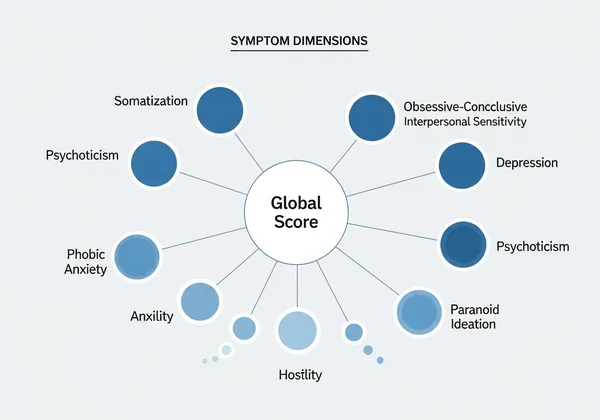
If you’ve used the SCL-90 (Symptom Checklist-90), you'll see a report with different components. It’s helpful to think of it in two parts:
- Global Scores: These are your overall indicators, like the Global Severity Index (GSI). They provide a broad overview of your psychological distress level. A higher score simply suggests you may be experiencing more challenges at the moment.
- Symptom Dimensions: This is where the details lie. The SCL-90 breaks down your experience into nine specific areas, such as Depression, Anxiety, Somatization (physical symptoms of stress), and Interpersonal Sensitivity. These dimensions help you pinpoint exactly where your challenges are concentrated.
Instead of getting stuck on a single number, look for patterns. Are several related dimensions elevated? This gives you a much clearer direction for your personal growth efforts.
What Do High Scores Indicate? Actionable Insights
Seeing a high score in any dimension can be concerning, but it's important to reframe it. A high score is not a diagnosis of a disorder. It is an invitation to pay closer attention to that part of your life. It is a signpost telling you where your energy for self-improvement might be most effective.
For example, a high score on the Anxiety scale doesn't mean you are "a permanently anxious person." It suggests that you are currently experiencing symptoms of anxiety that are impacting your well-being. This is an actionable insight. It tells you that learning new coping mechanisms for stress and worry could make a significant difference in your daily life.
Crafting Your Personalized Self-Improvement Strategy
With a clear understanding of your results, you can now build a strategy that is tailored to you. A personal growth plan isn't about becoming a different person; it's about becoming a more resilient, aware, and fulfilled version of yourself. The most effective plans are simple, practical, and compassionate.
From Insight to Action: Applying SCL-90 Results to Daily Life
The bridge from insight to action is built with small, consistent steps. Don't try to change everything at once. Pick one or two dimensions from your results that you want to focus on first.
For each area, follow a simple three-step process:
- Identify: Recognize the specific situations, thoughts, or feelings related to that dimension in your daily life. For example, if you scored high on Interpersonal Sensitivity, notice when you feel particularly self-conscious or worried about others' opinions.
- Choose a Strategy: Select one small, manageable practice to address it. This could be a new thought pattern or a simple action.
- Practice Consistently: Apply this strategy regularly. Growth comes from repetition, not from a single grand gesture.
Ready to see which areas you can focus on? Taking a free psychology test can provide the clarity you need to start.

Strategies for Specific Dimensions: Addressing Somatization & Obsessive-Compulsive Traits
Let’s look at some practical examples. Every person is different, so adapt these ideas to fit your own life.
-
If you want to address Somatization (physical stress):
- Strategy: Practice a 5-minute body scan meditation each day. Lie down and mentally check in with each part of your body, noticing sensations without judgment. This builds the mind-body connection.
- Goal: To become more aware of how stress manifests physically and to release tension proactively.
-
If you want to address Obsessive-Compulsive traits (intrusive thoughts, repetitive behaviors):
- Strategy: When an intrusive thought appears, acknowledge it ("There's that thought again") and gently redirect your focus to a task at hand. Avoid fighting the thought, which can make it stronger.
- Goal: To reduce the power of intrusive thoughts by practicing detachment and mindfulness.
Fostering Emotional Well-being: Navigating Depression, Anxiety & Interpersonal Sensitivity
These three areas are common challenges for many people. Small, consistent actions can create significant positive momentum.
-
To navigate feelings of Depression (low mood, lack of interest):
- Strategy: Implement the "5-Minute Rule." Choose one small, positive activity (like stretching, listening to one song, or tidying one surface) and commit to doing it for just five minutes. Often, starting is the hardest part.
- Goal: To gently re-introduce positive activities and counter the inertia that often accompanies low mood.
-
To manage symptoms of Anxiety (worry, restlessness):
- Strategy: Practice "box breathing." Inhale for 4 seconds, hold for 4, exhale for 4, and hold for 4. Repeat this for a minute or two when you feel overwhelmed.
- Goal: To calm your nervous system and ground yourself in the present moment.
-
To improve Interpersonal Sensitivity (feeling easily hurt by others):
- Strategy: Practice identifying your own needs before a social interaction. Ask yourself, "What do I want to get out of this conversation?" This shifts your focus from worrying about their reaction to honoring your own feelings.
- Goal: To build self-confidence and set healthier emotional boundaries in relationships.
Sustaining Your Personal Growth Journey Long-Term
A personal growth plan is a living document. Your needs and priorities will change over time, and that's a sign of progress. The goal isn't perfection. Instead, it's about building a sustainable practice of self-awareness and self-care. This approach will support you through life's challenges and celebrations alike.
Building Resilience: Practical Habits for Continuous Improvement
Resilience means your ability to bounce back from challenges. This isn't an innate trait—it's a skill you develop through consistent practice and habits. Here are a few foundational practices to support your journey:
- Prioritize Sleep: Aim for 7-9 hours of quality sleep per night. It is fundamental for emotional regulation and cognitive function.
- Move Your Body: Regular physical activity, even a 20-minute walk, is a powerful antidote to stress and low mood.
- Connect with Others: Nurture your relationships. Meaningful social connection is a key predictor of long-term happiness.
- Celebrate Small Wins: Acknowledge your progress, no matter how small. Did you use your breathing technique today? That’s a win.
When to Seek Professional Guidance: Recognizing the Signs
Self-help tools are incredibly powerful, but they have their limits. It is a sign of strength, not weakness, to know when to ask for help. A psychology test is for informational and educational purposes; it is not a substitute for professional medical advice, diagnosis, or treatment.
Consider seeking guidance from a therapist, counselor, or doctor if:
- Your symptoms are significantly interfering with your work, school, or relationships.
- You feel overwhelmed and unable to cope on your own.
- Your self-help strategies don't seem to be making a difference after a few weeks.
- You are having thoughts of harming yourself or others.
A mental health professional can provide an accurate diagnosis and create a treatment plan tailored specifically to your needs. Our tools can be an excellent first step in your journey, helping you gather insights to share with a professional.

Empower Your Journey: Take Control of Your Personal Growth
Your psychology test results are not a final verdict. They are a starting point, a compass pointing you toward a deeper understanding of yourself. When you approach your results with curiosity, create a strategy that's right for you, and practice new habits consistently, you turn insights into lasting change.
You are the author of your own growth story. Every journey of self-discovery starts with taking that first step, and you've already done that by exploring your results. Now, it's time to take the next one.
Ready to begin? Uncover the insights you need to build your plan. Start your journey of self-discovery today with our free, AI-powered SCL-90 assessment.
Frequently Asked Questions About Psychology Test Results & Growth
How do I interpret my SCL-90 test results effectively for self-improvement?
Focus on patterns rather than single scores. Look at your highest-scoring dimensions as areas that currently need the most attention. Use them as a guide to choose specific, small, and actionable strategies you can integrate into your daily routine. The goal is awareness, not self-criticism.
Can an online psychology test accurately guide my personal growth plan?
Yes, when used correctly. A scientifically validated tool like the SCL-90 provides a reliable and structured snapshot of your current emotional state. While not a substitute for a professional diagnosis, our online psychology test offers objective data to make your self-reflection more focused and effective, serving as an excellent foundation for a personal growth plan.
What does a high score on a depression or anxiety scale imply for my action plan?
A high score implies that this area is a priority. Your action plan should include evidence-based coping strategies specifically for that emotion. For anxiety, this might mean mindfulness and breathing exercises. For depression, it could involve behavioral activation (scheduling small, pleasant activities) and gratitude practices. It directs your energy where it's needed most.
How do I know if I need a psychology test or professional intervention?
A psychology test is a great tool for anyone seeking self-awareness and personal growth. You should seek professional intervention if your symptoms are persistent, severe, or negatively impacting your ability to function in daily life. The two are not mutually exclusive; you can use a test to gain insights before speaking with a professional.
How often should I reassess my psychological health to track progress?
Re-taking an assessment like the SCL-90 every 3 to 6 months can be a great way to monitor your progress. It provides objective feedback on how your strategies are working and helps you adjust your personal growth plan as you evolve. You can use our platform to track your progress and celebrate the positive changes you've made.